
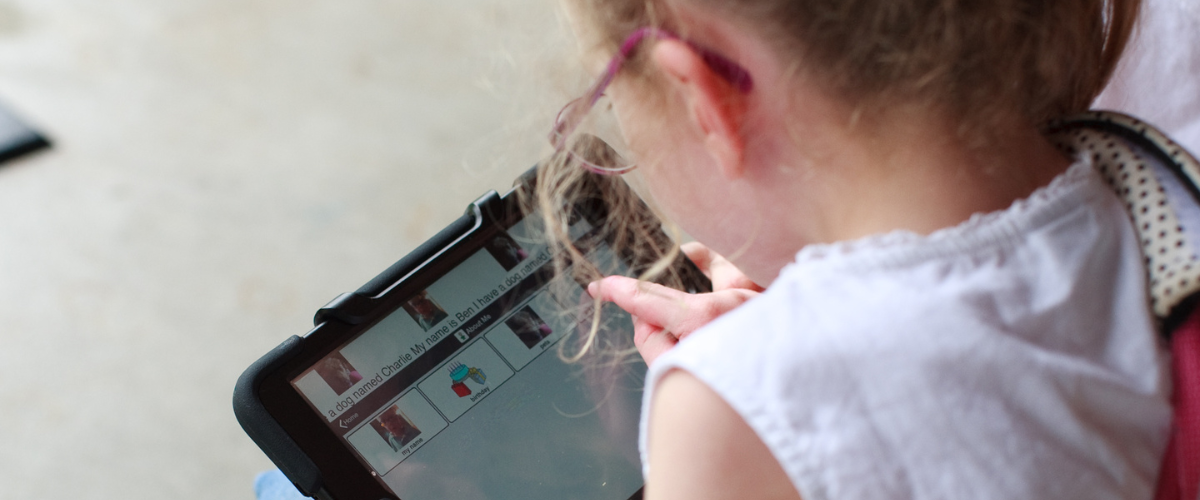
“AI Literacy [focuses] on exploring the fundamental question … ‘How do we prepare learners for an AI-enabled world?’”
–AILiteracyDay.org website (March 27, 2026 was National AI Literacy Day.)
Another fundamental question is, How do we prepare neurodivergent learners for a neurotypical world? And yet another question: What AI functions—and risks—are most relevant to neurodivergent users?
Recognizing April as Autism Acceptance Month (formerly Autism Awareness Month), today we talk about AI and autism.
Computer Brains and Autistic Brains: Surprising Similarities
In fact, AI and autism have a lot in common. (A 2025 Psychology Today article, “Is AI on the Spectrum?,” provides a fascinating overview.) A few ways AI is prone to autistic “thinking”:
- Exceptional attention to detail, sometimes to the point of “fixation.”
- Tendency to focus on a particular goal and ignore unspoken possibilities.
- Taking things literally; not understanding puns or metaphors.
- Inability to perceive visual expressions, voice tones, and other “social cues.”
- Needing thorough programming (a digital parallel to strict routines) to function effectively.
If a neurotypical AI programmer and a neurotypical special-ed teacher described how they communicate information, the basic principles would likely be similar:
- Cover every detail.
- Use literal and descriptive language.
- Introduce new ideas by linking them to established ideas.
- Stay patient, no matter how hard it is to figure out why the learner doesn’t “get” something.
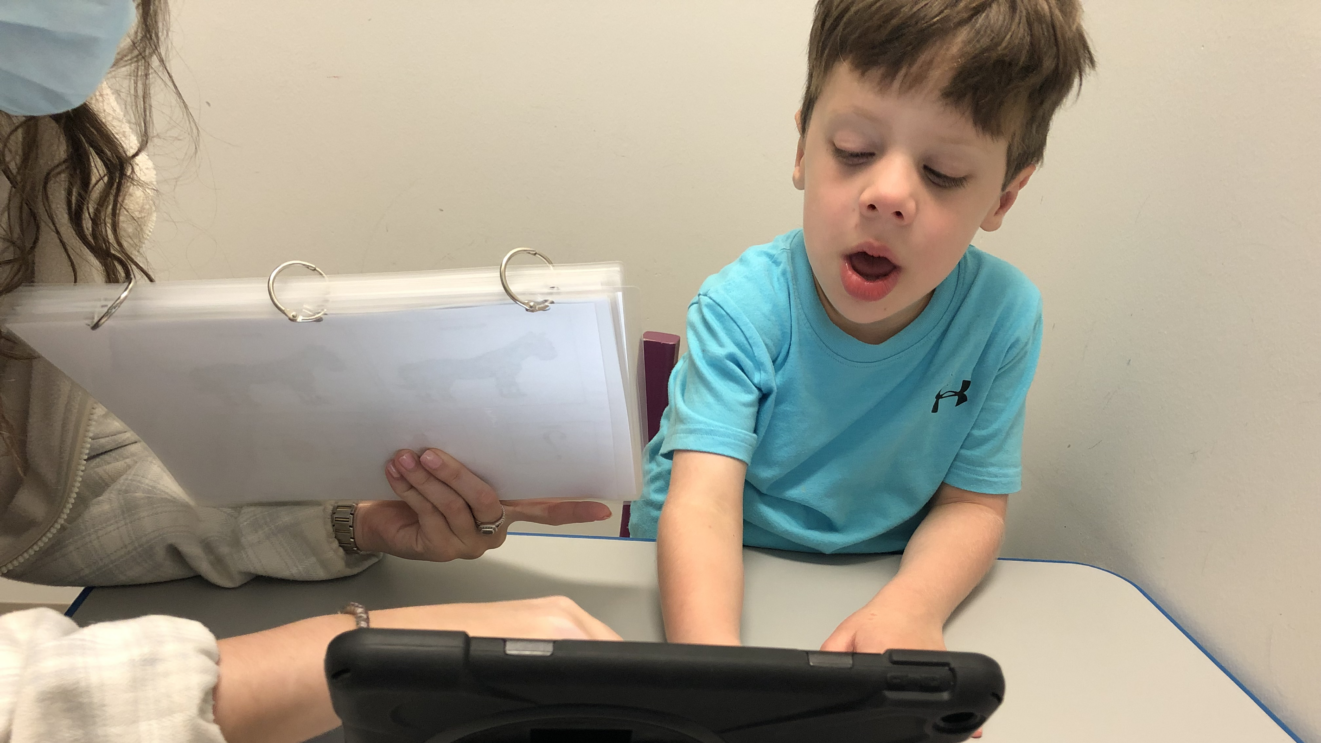
AI for Autism
But if AI tends to “think autistic,” it’s also a helpful tool for bridging the gap between autistic human brains and the neurotypical world. AI is used to:
- Organize personal routines and schedules
- Teach common social cues
- Create social scripts (organized plans for managing social interactions)
- Monitor heart rate, skin temperature, and/or breathing for signs of overstimulation
- Provide safe platforms for venting emotional stress
- And assist with other executive-function tasks
To find specific technologies related to autism and/or AI, check out our app search database and apps-list search database.
When the Solution Becomes a Problem
But AI is far from perfect, and can sometimes be a pathway to trouble. If you or a family member are autistic and using AI, watch out for:
- Believing everything you read/hear. Taking things at face value is a common autistic trait—a trait that can easily lead to trusting unreliable sources. And for all its practical value, AI is not particularly reliable in terms of strict accuracy. It may state opinions as facts, attribute information to the wrong source, or even generate totally false information (“hallucinations”). Especially if the user asks a question based on false or narrow assumptions.
- Unrealistic expectations. Autistic people prefer comprehensive, clear-cut answers—and often want step-by-step instructions for breaking habits or improving relationships, which is too much to ask of any AI system. (Or of any human adviser.) Autistic people are also highly sensitive to details, and can get annoyed with AI responses that “keep repeating themselves” or “just echo what I said.” As with any assistive tool, getting frustrated with AI often means abandoning it prematurely.
- Escapist attitudes. Conversely, some people get too fond of AI—especially when it helps them avoid uncomfortable social interaction, something particularly dreaded by autistic people. “AI companion” chatbots can be everything we wish human companions were: available 24/7, unconditionally supportive, all give and no take. But when chatbot interaction becomes a lifestyle, it feeds unhealthy self-centeredness and provides an excuse for avoiding other humans. The worst-case scenario is “AI psychosis,” where a user develops toxic emotional attachment and actually forgets that the chatbot isn’t a real person.
Fortunately, autistic traits can also help keep AI use from becoming toxic. Here are a few ideas:
- Fix your mind on avoiding risks. Learn, early on, about danger zones and how to stay out of them.
- Notice the details. Read AI answers carefully for anything that seems illogical or self-contradictory. Double-check information that mentions statistics or expert sources.
- Build a routine that includes using AI at set times for set purposes. Also mark routine times for support groups and other human interactions.
- If you’re fascinated with AI, go deeper into the topic by comparing AI answers to answers from other sources—or by exploring ways that AI can teach you to think for yourself. (Try Googling “ask AI to disagree with me.”)
- Never stop learning. Keep up with new AI developments and their pros and cons. Make up your mind to always be an informed user.