Located in Kingwood, The Village Centers serves adults with intellectual and developmental disabilities (IDD). Clients, called “Villagers,” participate in program activities to expand their skills in:
- Social interaction
- Daily-life management
- Self-care/wellness
- Vocational development
The Village Centers emphasizes innovative and enriching activities that promote inclusion. This summer, BridgingApps had an exciting opportunity to work with Centers staff in exploring ways that technology could enhance Villagers’ daily activities.
Thanks to a generous grant, Village Centers has recently upgraded their computer lab and was seeking recommendations for putting the new equipment to use. Enter the BridgingApps team! Our digital trainers are dedicated to sharing assistive technology and trialing it with clients who have developmental disabilities. We were eager to collaborate on finding meaningful tools, software, and training for the Village Centers community.
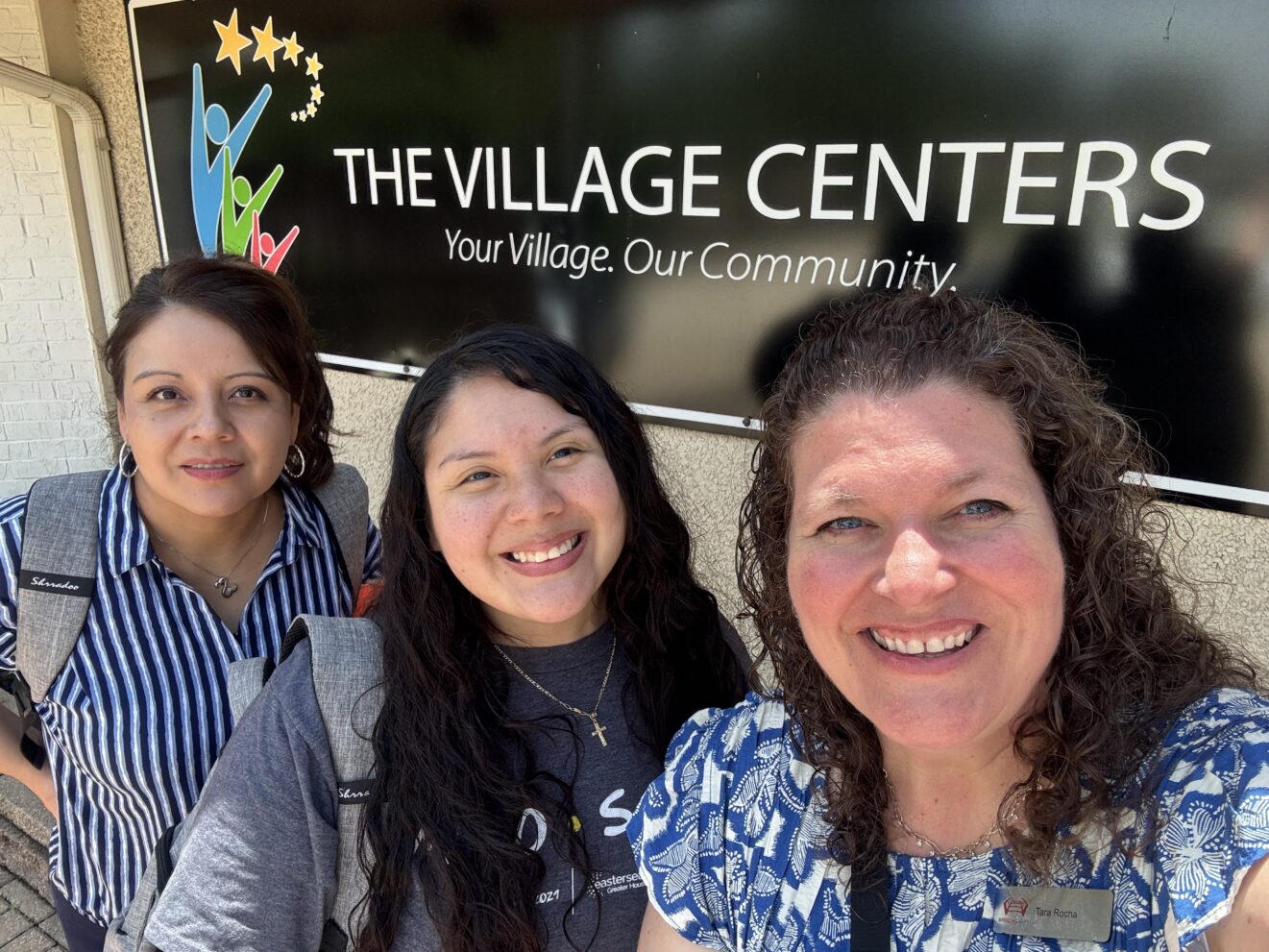
Among the trainers were digital specialists Alejandra “Ale” Gonzalez, Silvia Guajardo, and Tara Rocha.
What Villagers Want to Know
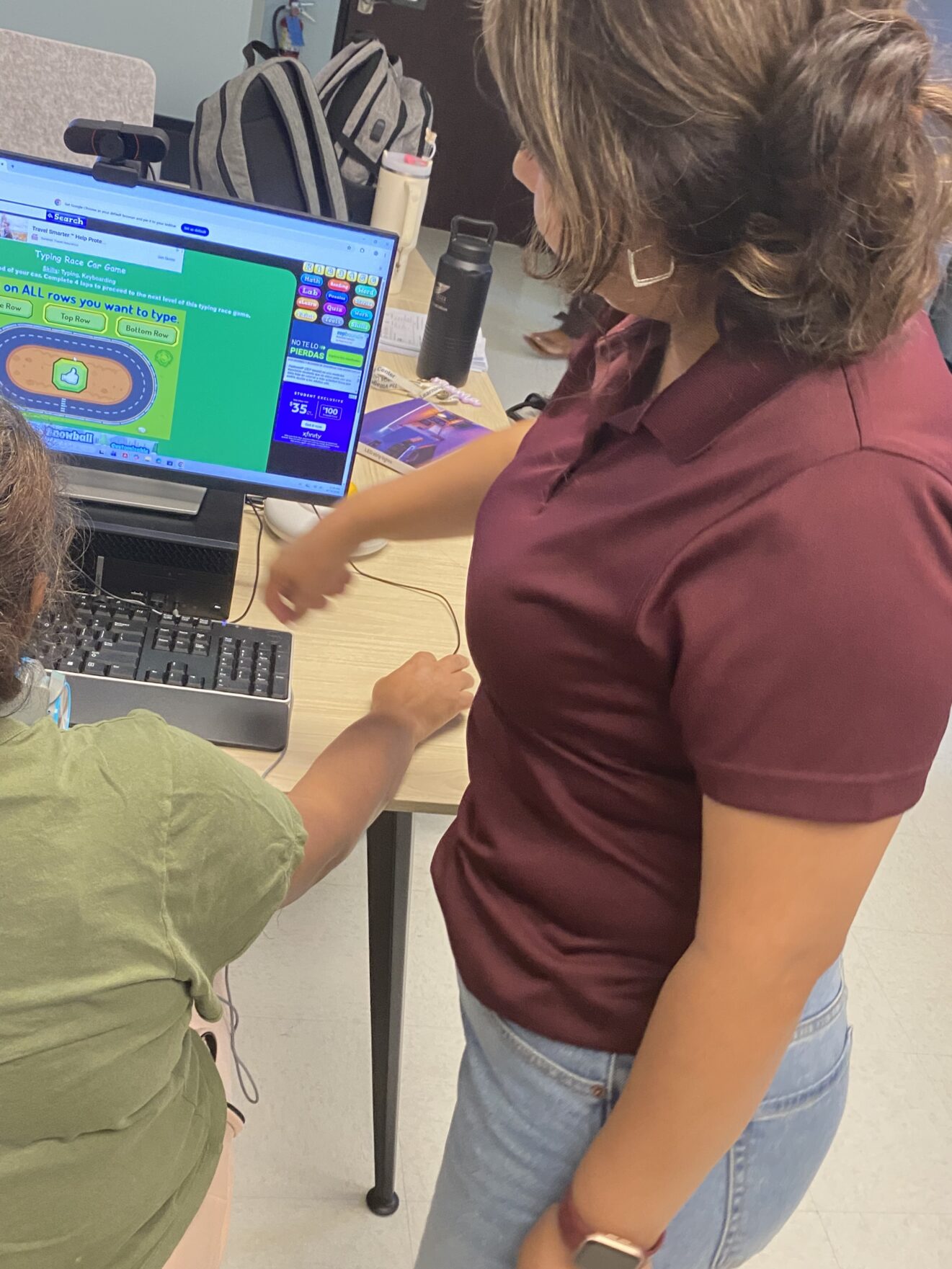
Silvia: Participants had a few hands-on concerns—like not being able to type URLs, and having difficulty using the mouse to close pop-ups. A Village Center staff member was always present to guide us and assist with the participants.
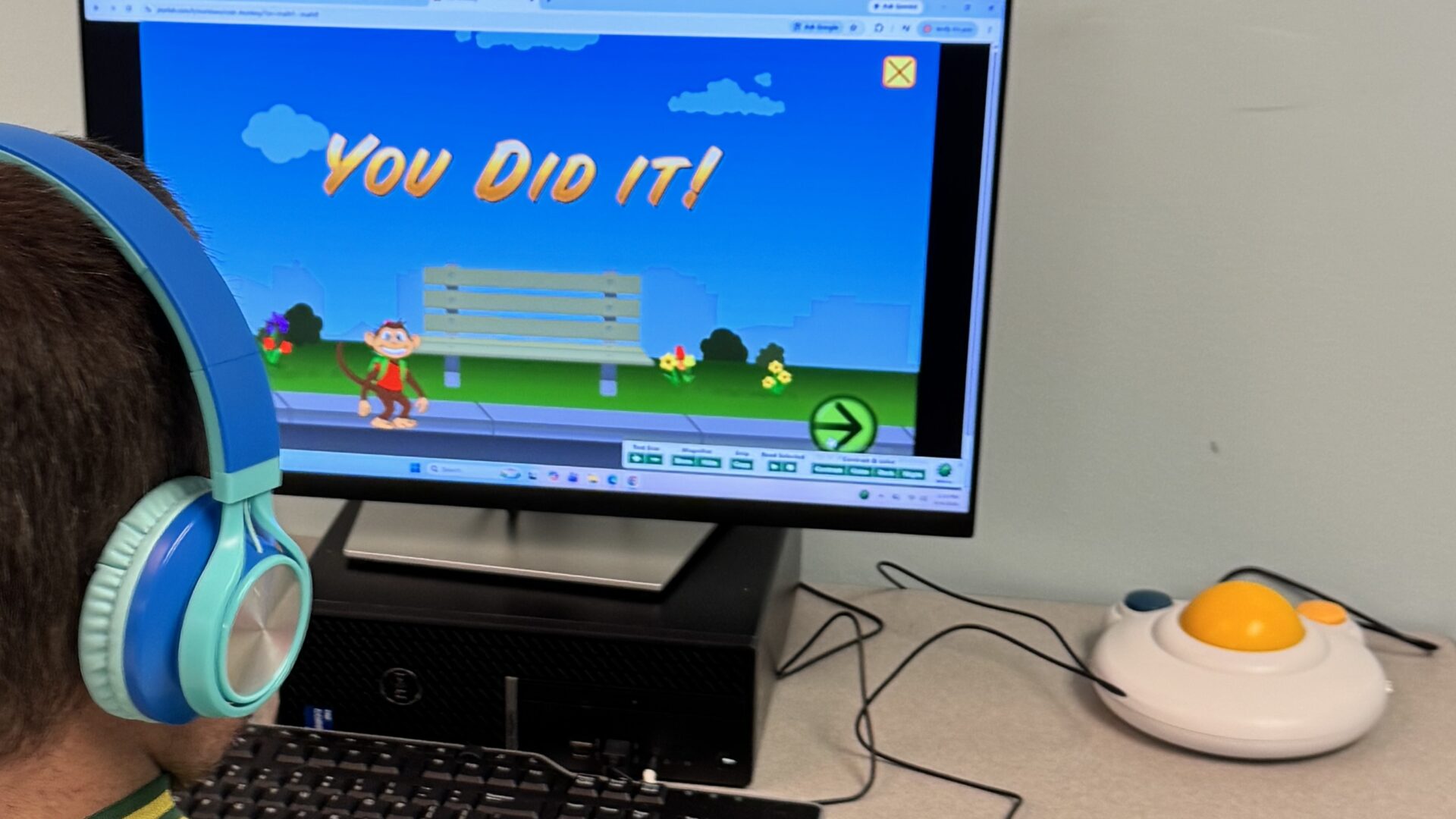
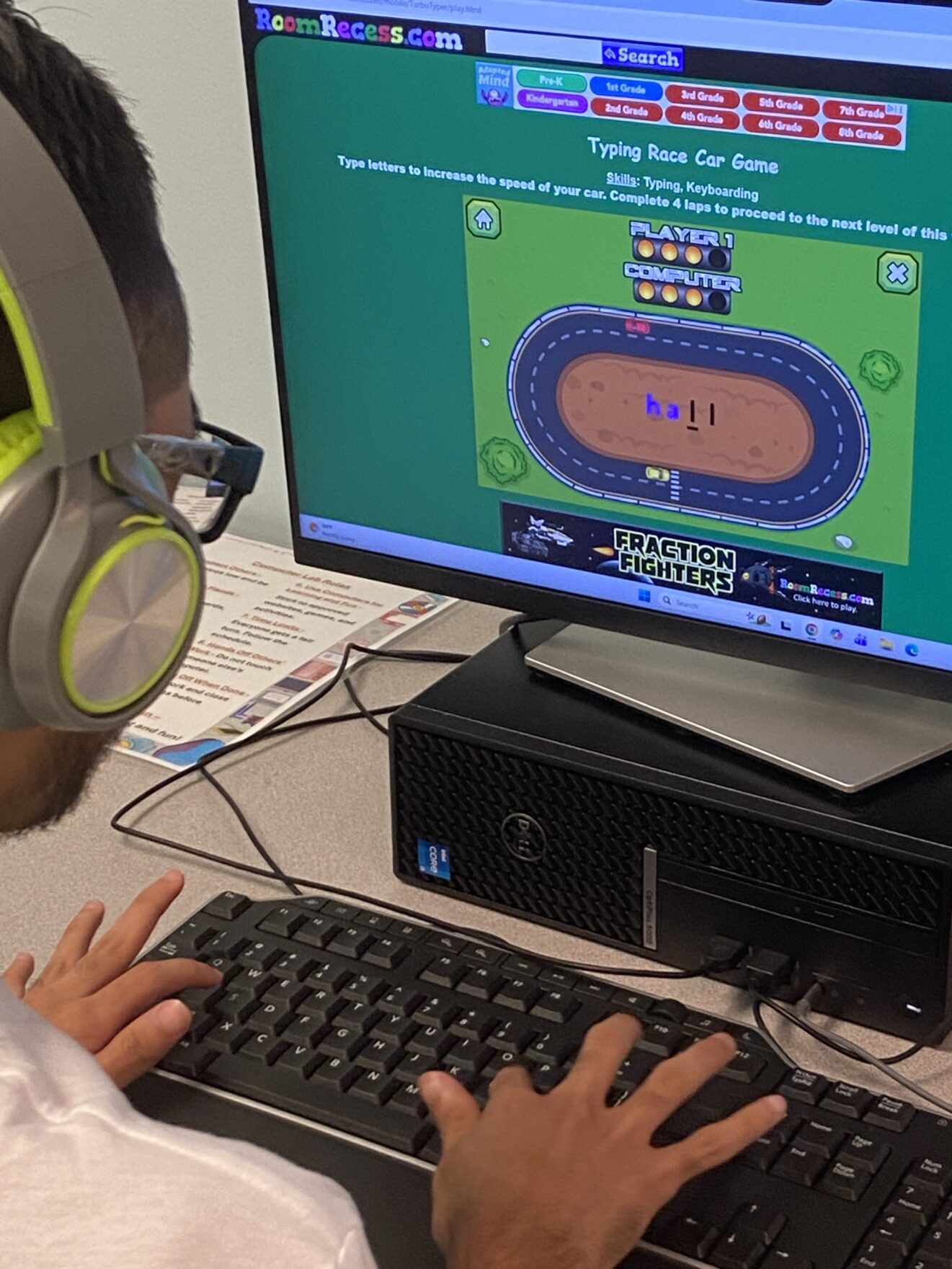
Ale: Participants didn’t have that many questions, though. Mostly, they were eager to learn everything they could about the resources we were sharing—especially educational games, which covered everything from simple addition, to identifying currency, to spelling and reading. All the participants enjoyed using Starfall and playing games from its website: it had the advantage of not showing ads to pose a frustrating distraction.
One client was blind, and she was interested in games that were both simple to understand and fully auditory. We introduced her to Audemy, a free website that hosts auditory games for children with visual impairments.
Silvia: Math games generated the most interest. Also the Storyline Online read-aloud series.
Ale: Yes, and Village Centers staff also loved Storyline Online. The technology teacher especially. After we introduced the tool, she added it to her regular daily schedule, for helping clients get settled in class while she prepared the room.
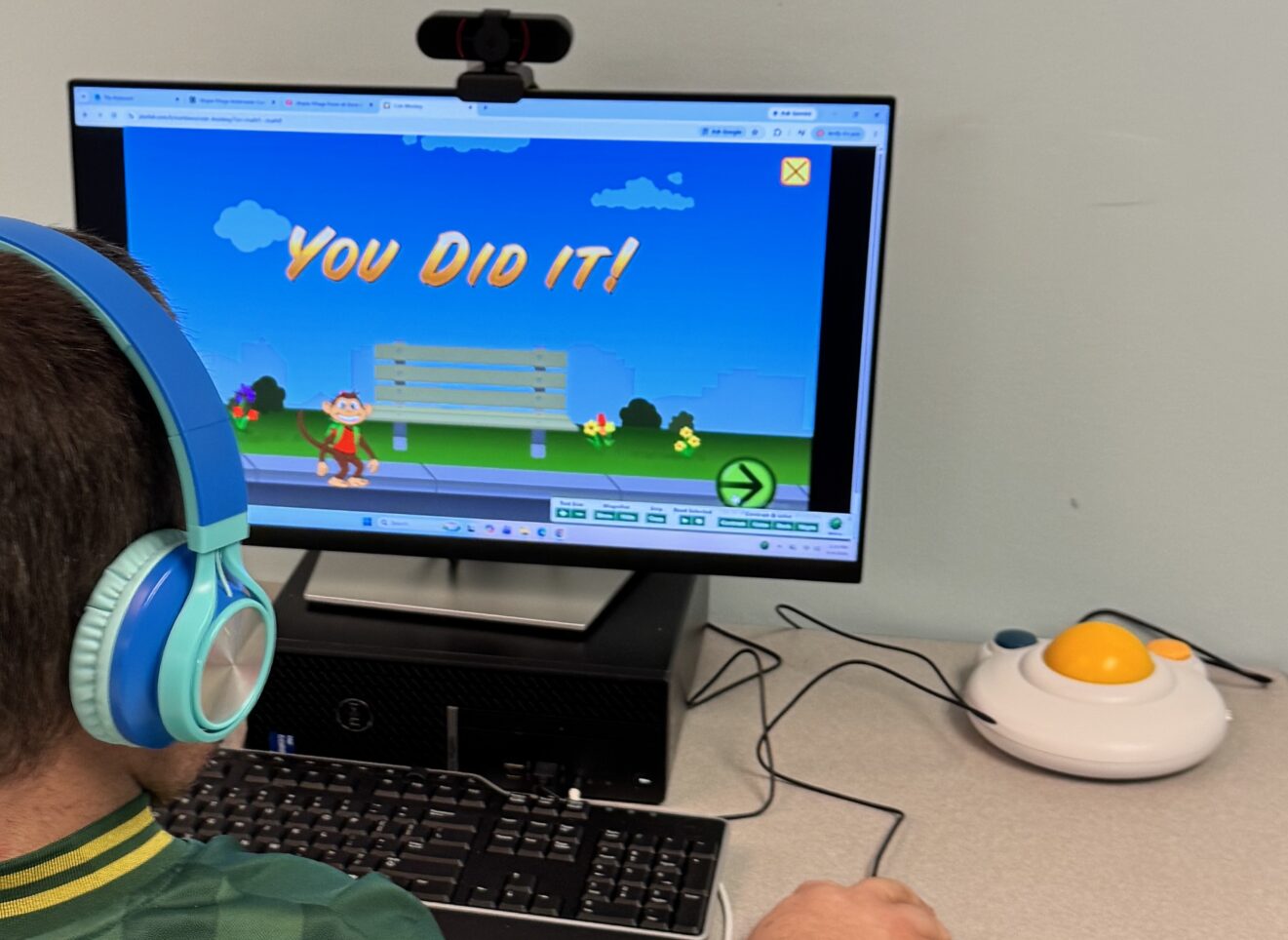
We also shared strategies for effectively using the computer stations’ adaptive mice. And we introduced resources like Cboard, an AAC app available for desktop computers. Cboard was the perfect tool for these learners, many of whom don’t have access to their own devices outside of lab hours at The Village Centers.
Together in the Lab
Ale: All three of our collaborative sessions were in person, as we wanted to assess the Villagers’ skill levels and how they interacted with the technology. Also, not every client had a personal email address; and some had legal guardians who couldn’t promise to be present. Those are common issues, so organizing a virtual program for this demographic often proves difficult.
Silvia: There also could have been a lot of technical issues with participant microphones and cameras.
Tara: Still, I love the idea of doing a hybrid session. I realize not everybody’s going to get something from it, but some people will, and it would be another opportunity to learn about how our world works today. And to keep an essential skill up to date, especially if there’s ever an emergency that makes virtual meetings the only option. Like many schools, my kids’ school does something like that: they have “Virtual Day” once a semester, where all the teachers teach over Teams like they did during the COVID shutdowns.
I’d add that transportation can be such a barrier for people with disabilities, so in some cases, virtual sessions are a great way to connect with one another.
Silvia: A hybrid session would have allowed the participants to experience a different type of interaction and connection.
It’s All About the People
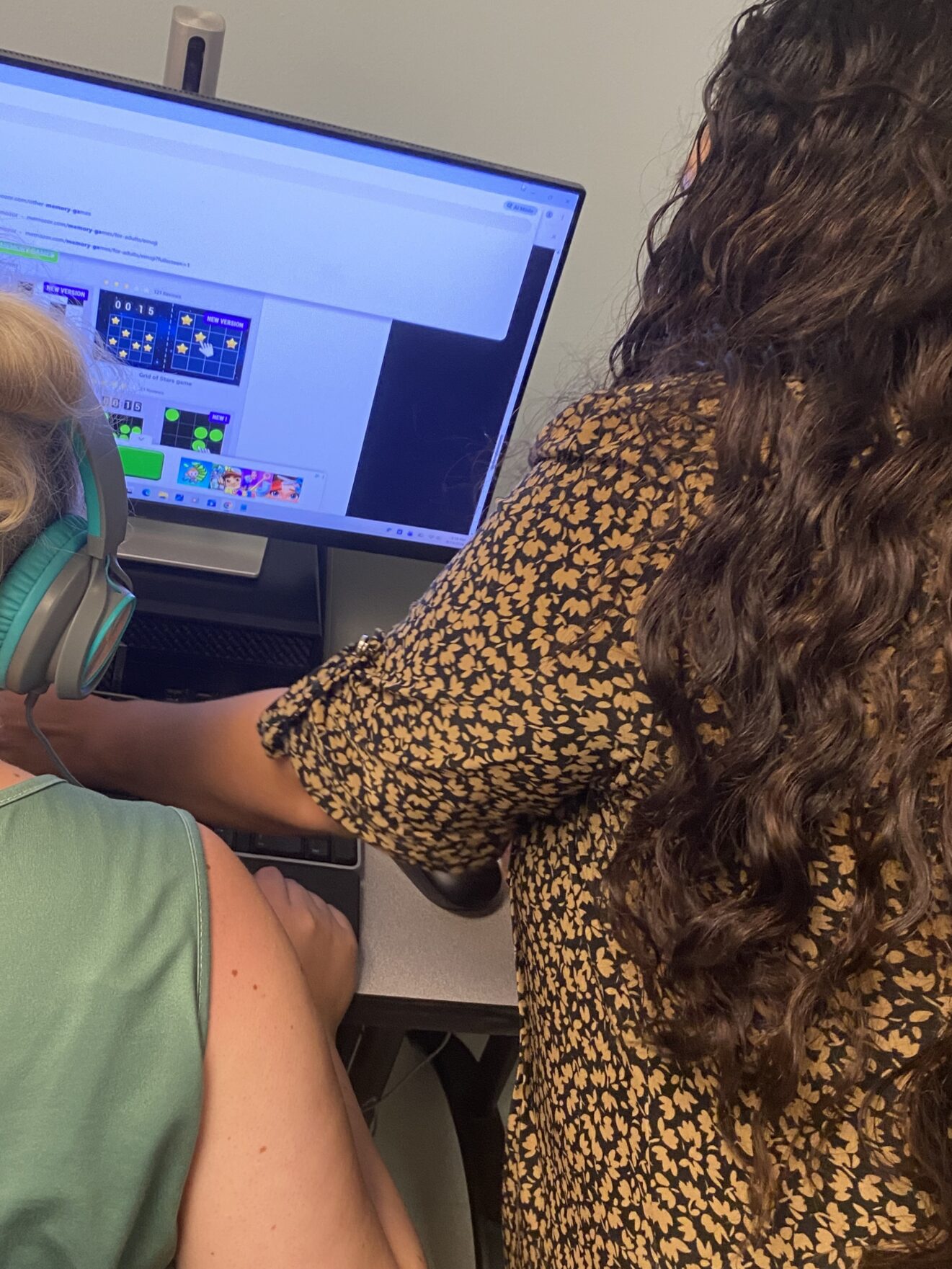
Silvia: Connection was the most rewarding part of the training—seeing participants’ smiles and excitement when they learned something new. For example, I could see their excitement when they correctly selected bills and coins to pay for a purchase in a cashier simulator game. And when I watched them play the Emoji Matching Game in Memozor—each time they successfully found a match, they would proudly give me a high five.
Ale: I agree. I loved seeing the excitement in Villagers’ faces when they found a new game or tool that they loved.
Silvia: Besides learning about websites and apps, they seemed to enjoy just having our team there. One main question was about whether we would be back and when we would be returning!
More About The Village Centers
The Village Centers offers many other IDD/disability-service programs, including two options for adult day care:
- Multipurpose Center classes, for Villagers who can manage most everyday-life activities by themselves.
- The Enrichment Program, for Villagers who need help due to physical and/or mental limitations.
Other programs available:
- Art classes
- Field trips (“community outings”)
- Life-skills classes
- Transition-to-adulthood training
- Transportation to jobs, doctor appointments, and social activities