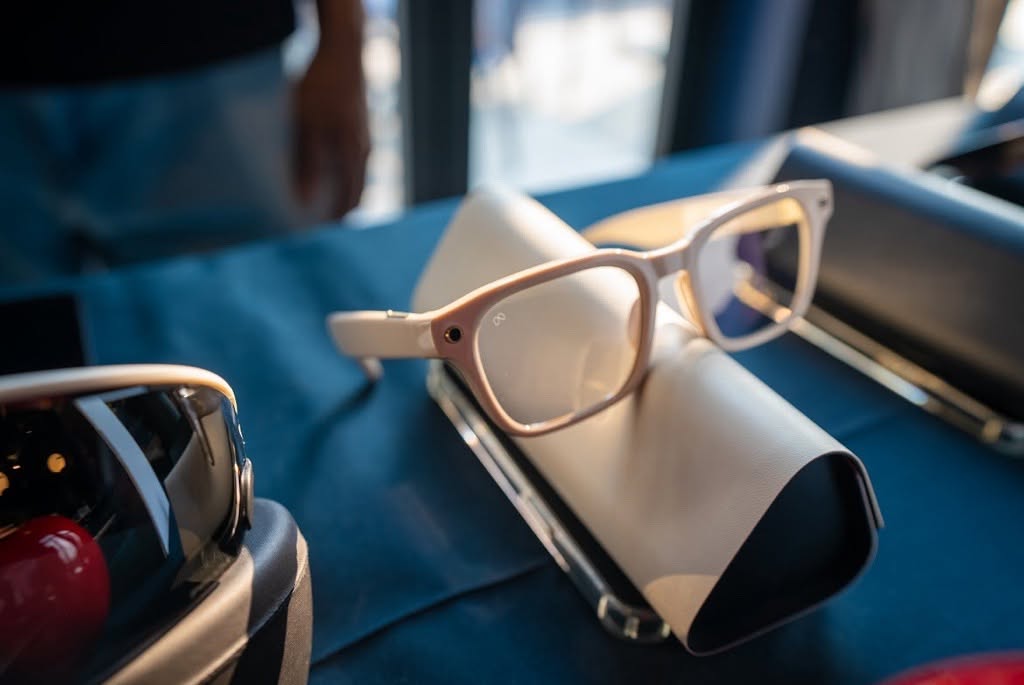
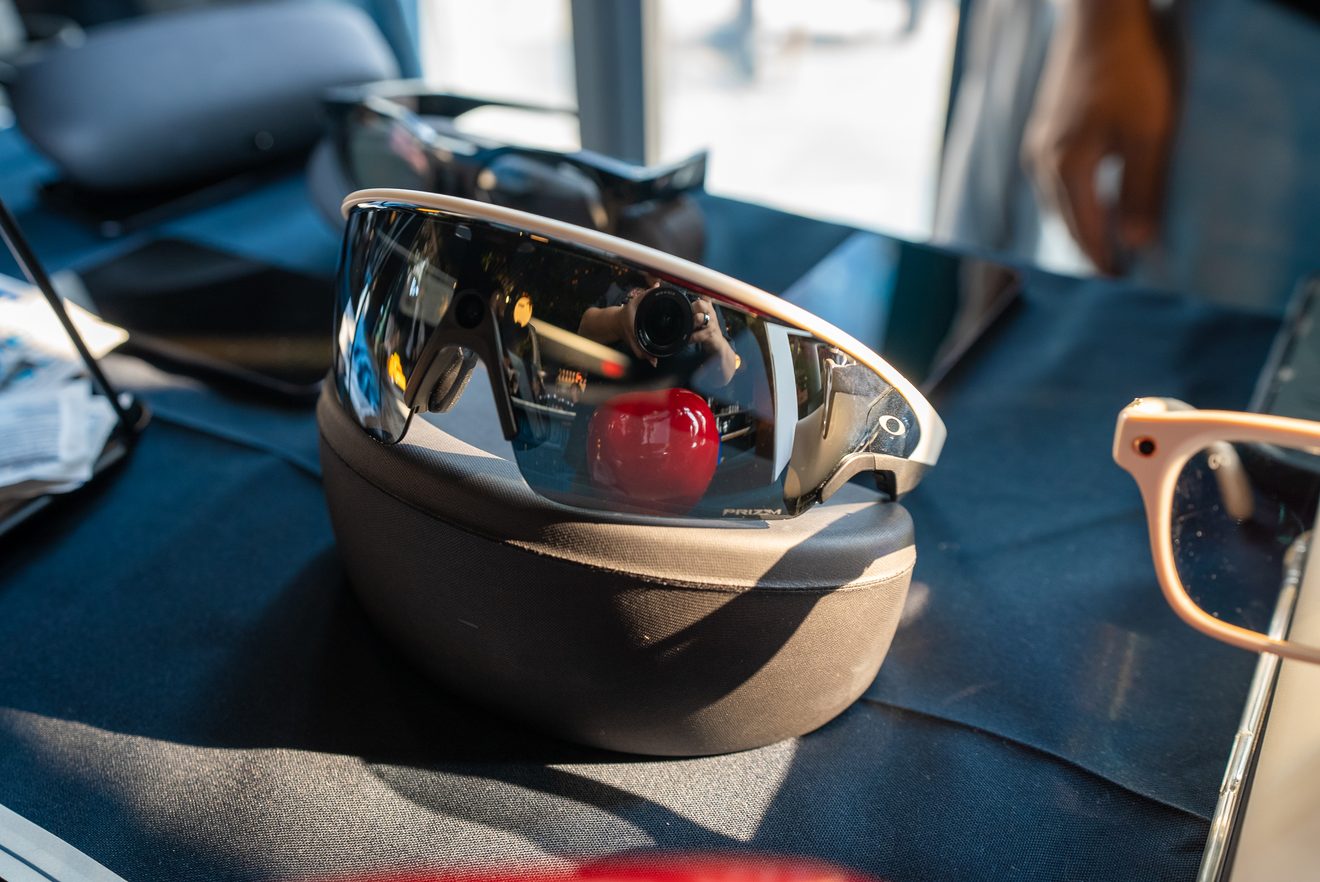
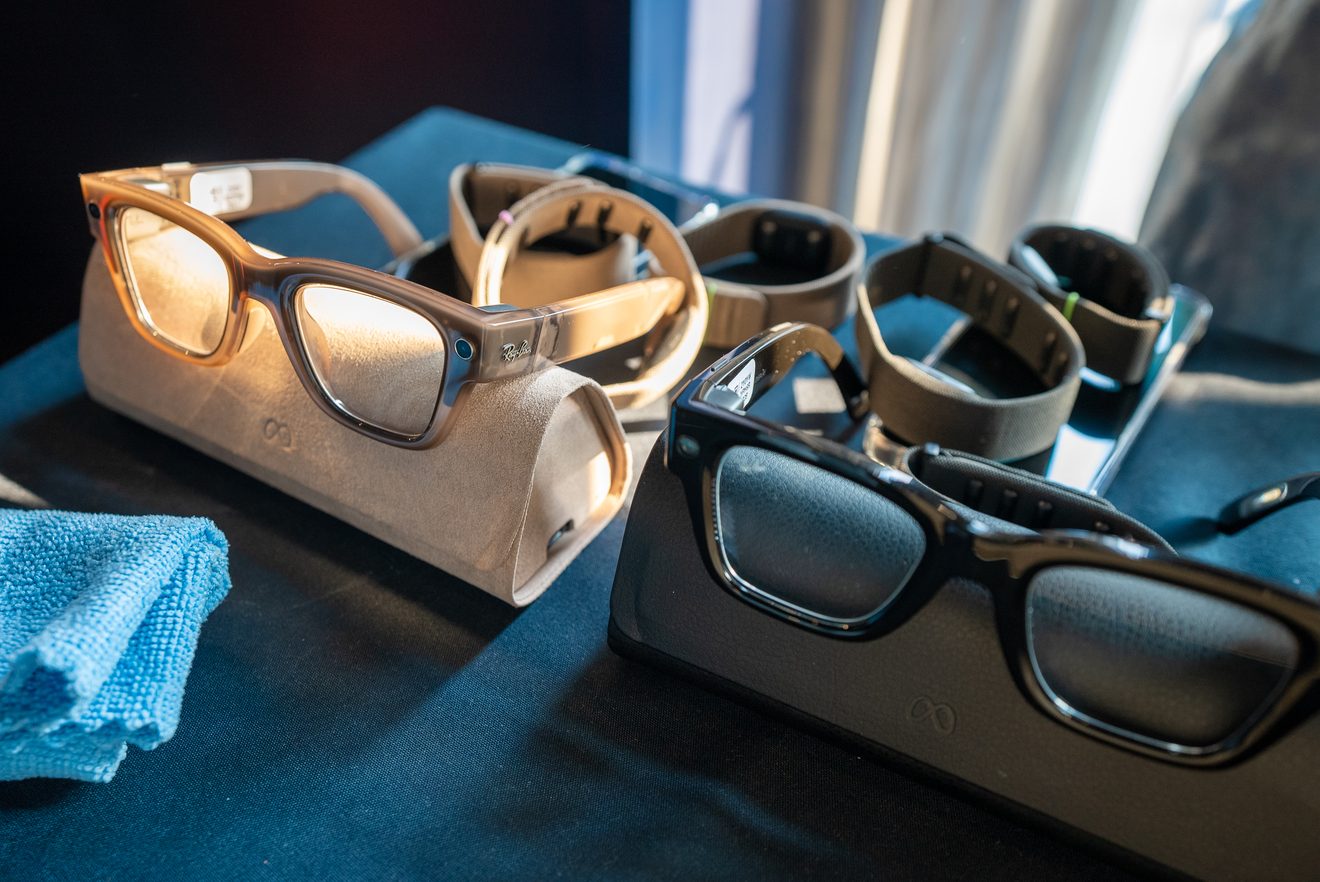
“AI glasses” look like everyday glasses to the casual observer. However, they are actually hands-free personal devices that can do almost anything a hand-held device can do. Depending on the model and the apps it’s connected to, a pair of AI glasses can give the wearer:
• Audible descriptions of their surroundings (sending audio directly into the ears for private listening)
• Instructions for real-time navigation
• Live captions of what speakers are saying
• Pop-up notifications
• A hands-free option for recording photos, videos, and spur-of-the-moment ideas
…and much more. Besides their value as assistive technology, AI glasses are popular with field workers, hobbyists, drivers, and anyone else who might need to record or access important information without a free hand available.
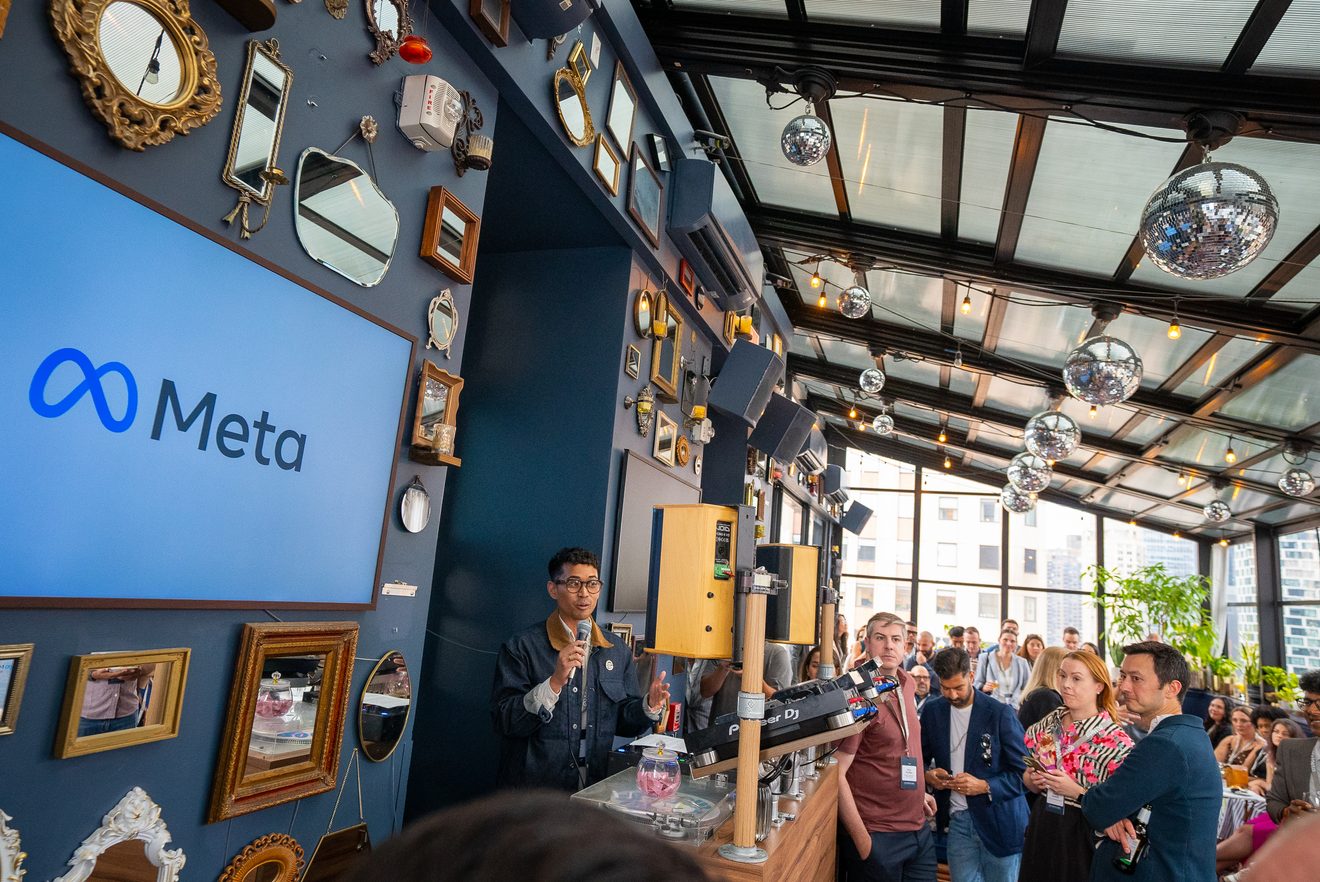
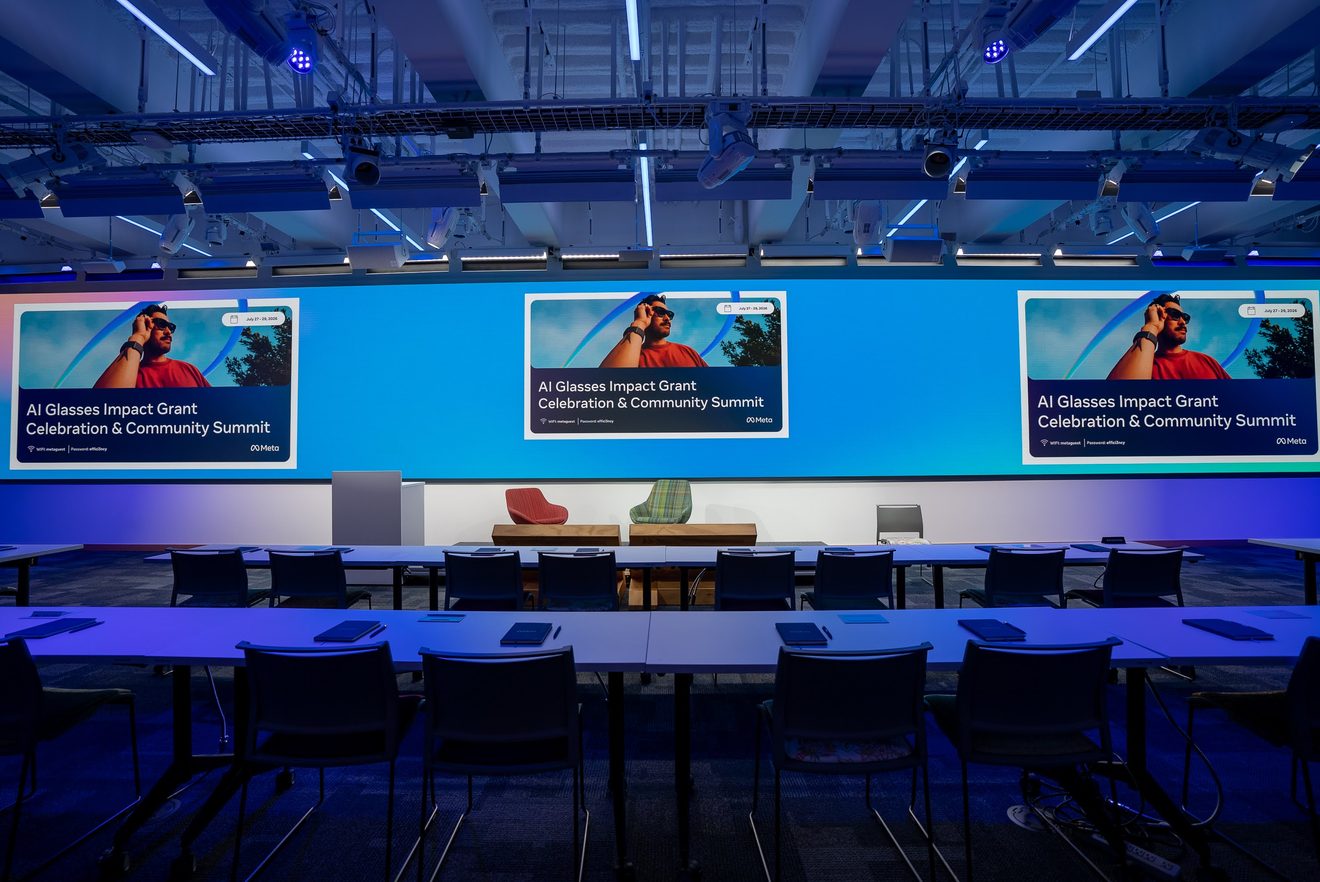
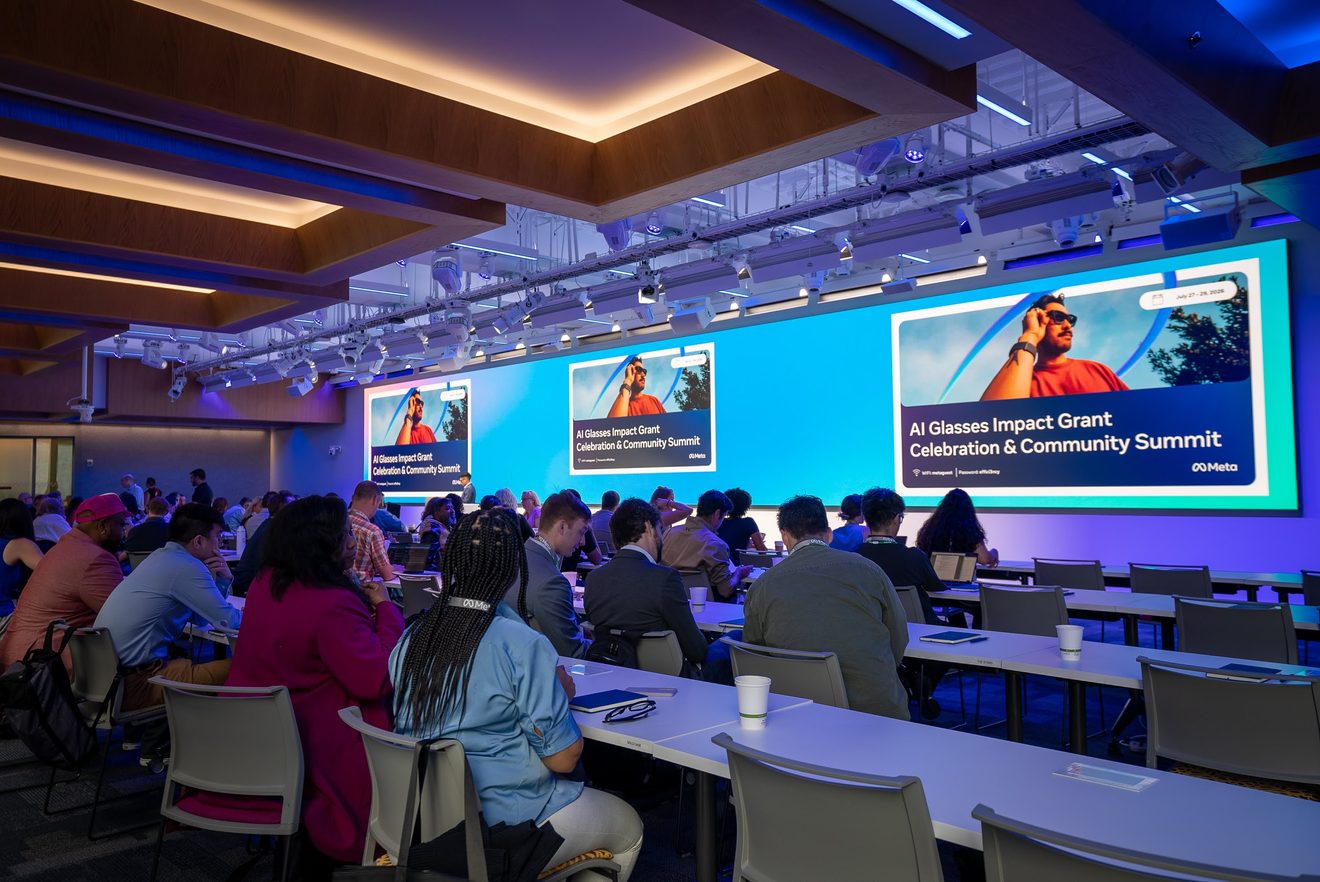
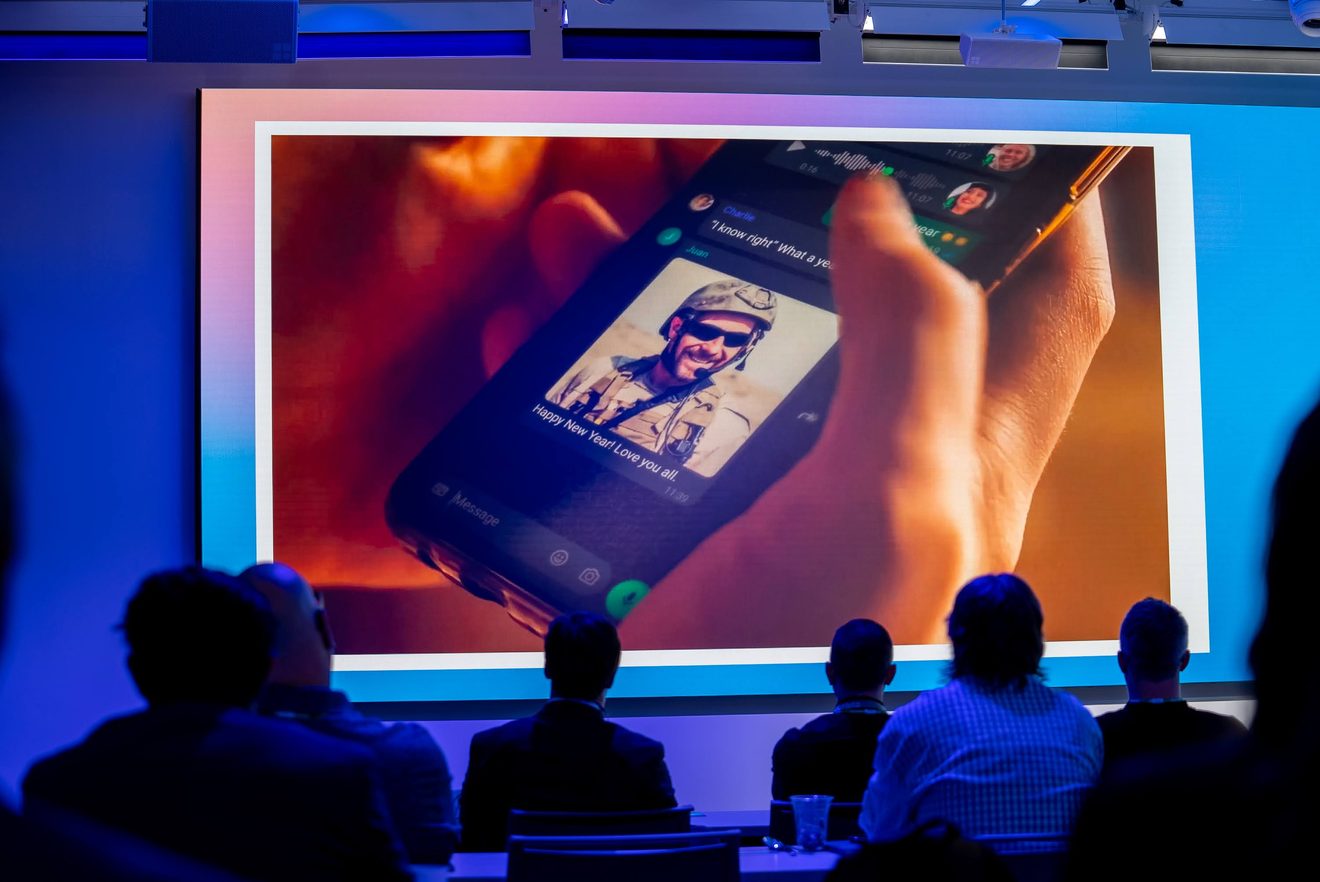
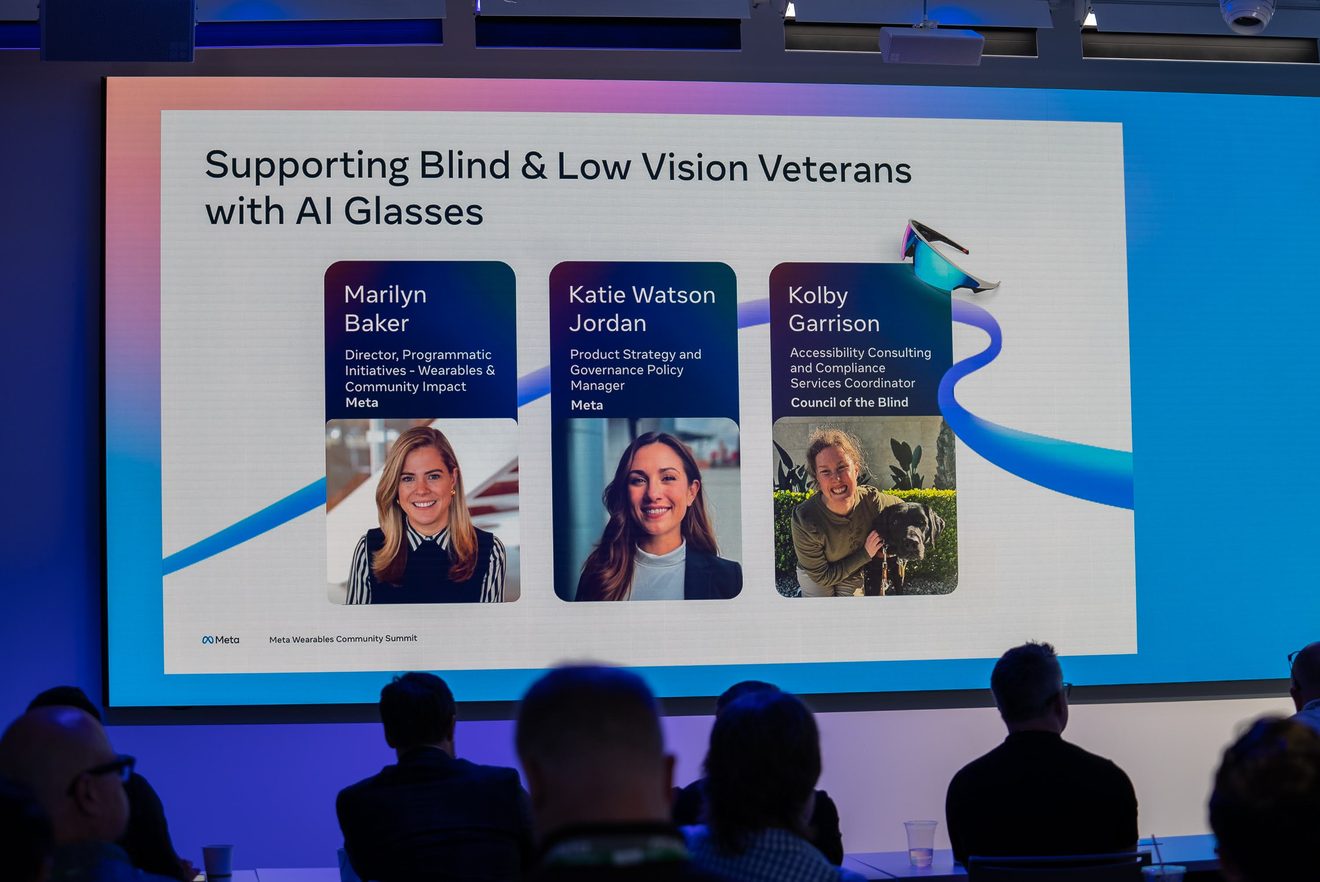
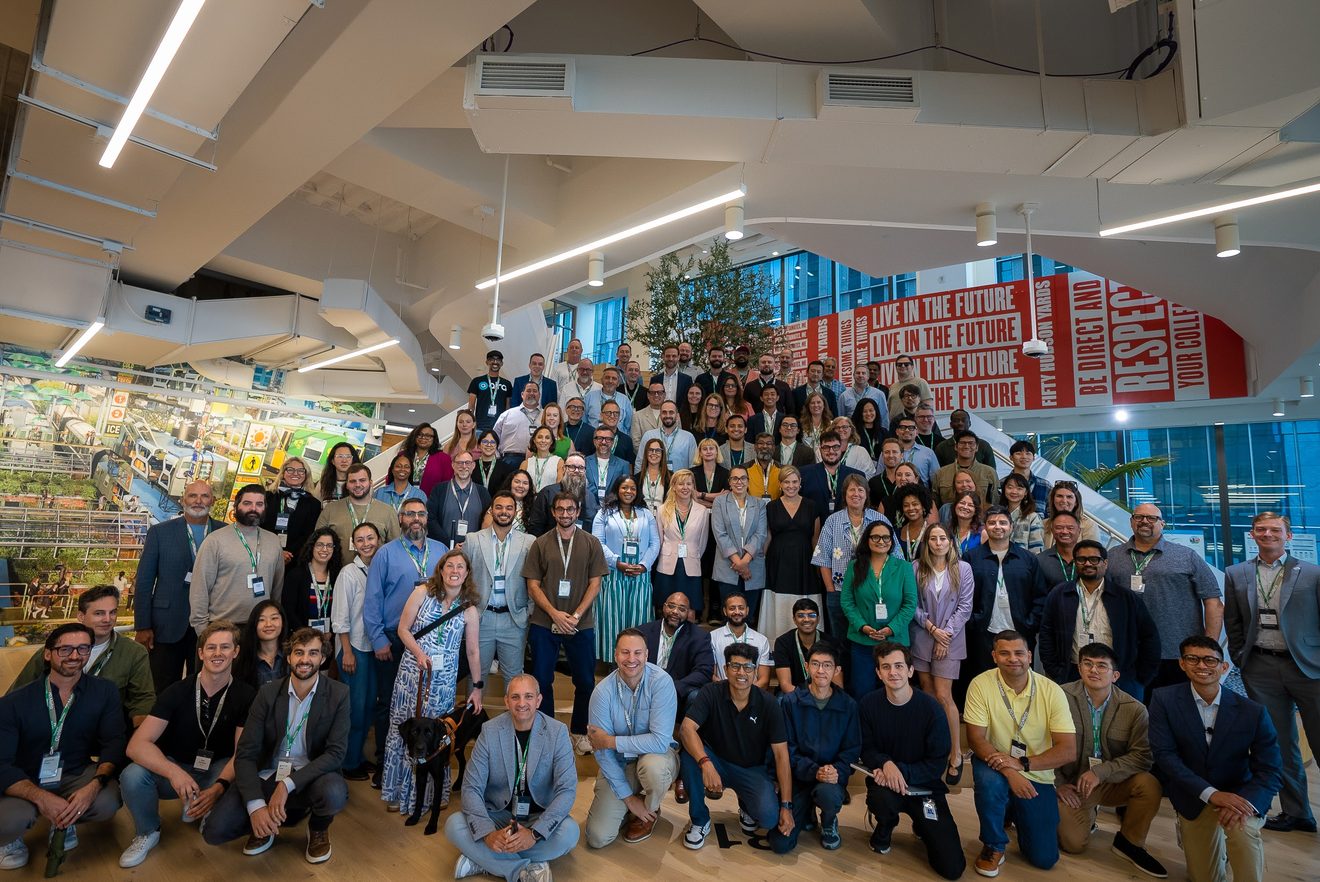
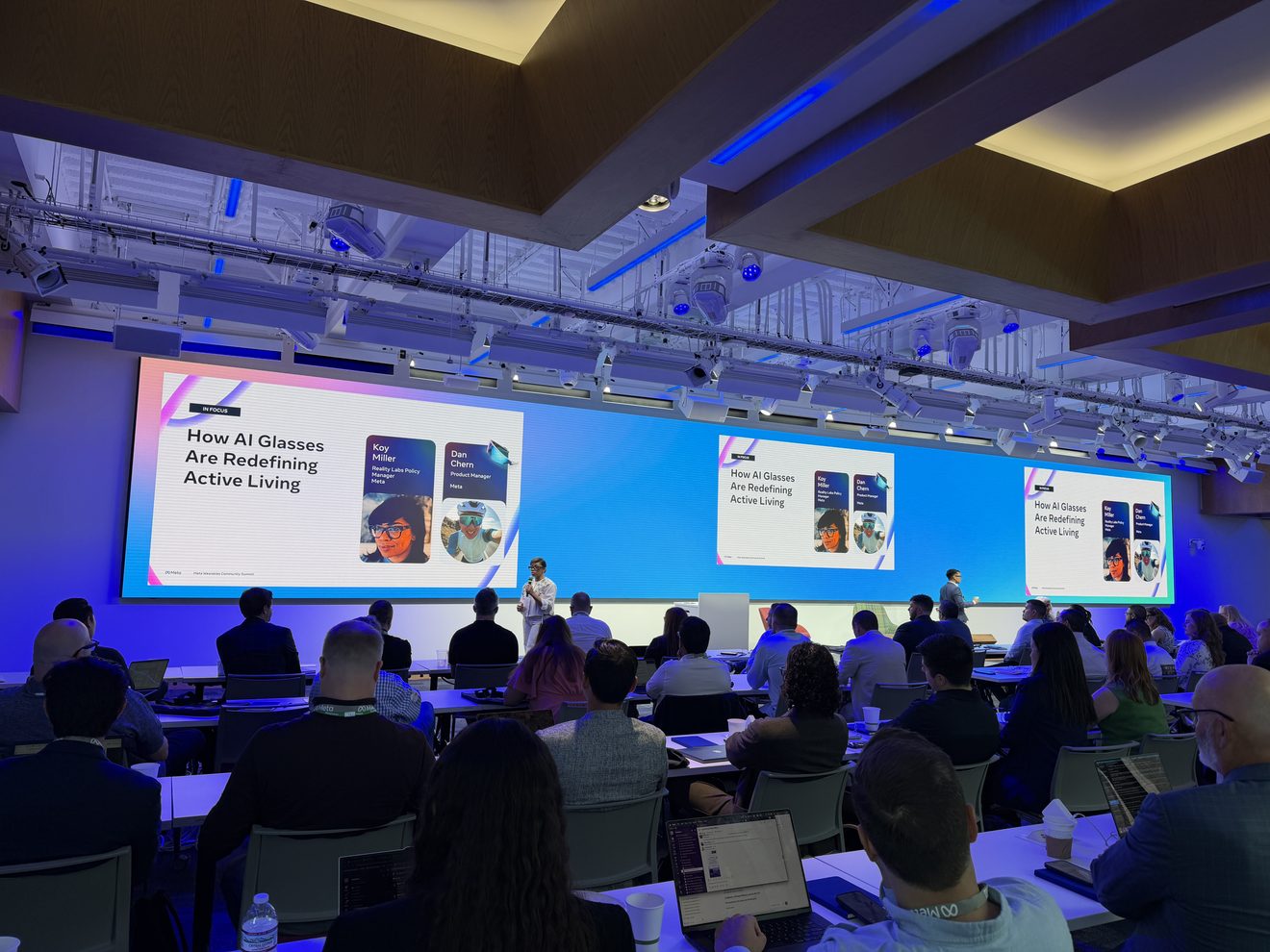
Recently, Meta invited its AI Glasses Impact Grant recipients to an in-person community summit. Attendees spent three days in New York sharing about their AI Glasses projects and networking with each other and with Meta representatives.
The following summit-experience report is from Alejandra Gonzalez, BridgingApps Digital Navigator and lead on the BridgingApps Smart Glasses for Everyday Accessibility pilot.
There were panels sharing new Meta features. One that stood out was the “Conversation Focus” feature (also available on Apple’s AirPods), which can amplify the voice of the person in front of you and minimize environmental sounds. For people with hearing impairments, that’s really helpful.
We also did a lot of lightning sessions, where participants had 3 to 10 minutes each to share about their work. There were a couple of sessions where presenters talked specifically about Meta glasses and how to make them more accessible. The general consensus was that because AI is such a big component of smart glasses, we have to focus on AI literacy first. If buyers don’t understand AI, they won’t use the glasses to their full potential.
After basic AI literacy, the most important goal is effective prompting. And then, of course, there are the “growing pains”: unanticipated issues that always happen with product updates and developments. Several visually impaired summit participants, after trying out the display glasses, expressed concern about cognitive overload. Imagine looking at something three-dimensional in front of you while hearing the Meta AI speak, reading captions it generates, trying to tell it what else you need, and dealing with background noise all at the same time.
What’s to Come
Meta is working on ways to bypass or overcome the cognitive-overload potential. I had a chance to help out in a workshop where we broke into groups to brainstorm solutions. My group was tasked with the cognitive-overload question.
One idea we came up with was the ability to customize levels of description. For example, if someone who is visually impaired is entering a conference room for the first time, they need to know where to check in, where to sit, where people are gathering, and whether there is a stage. They probably do not need to know what color the carpet is. If Meta glasses wearers can adjust settings for the types of descriptions they receive, they could simply walk into a room and ask Meta’s AI assistant, “Tell me what’s important.”
Easter Seals Greater Houston will look further into the overload question through the pilot program sponsored by the Impact Grant. We’re designing surveys and questions to gather data on how cognitive overload might affect user experience and whether this could be a barrier to adopting the technology. That’s primarily what our pilot is focused on: barriers and challenges that could prevent someone from using Meta glasses. Establishing trust is paramount when introducing assistive technologies into communities.
Other key questions include:
• How will this assistive technology impact users’ independence, integration into society, and daily life?
• Can Meta glasses reduce caregiver reliance in daily tasks?
There are so many things to think about. The Meta glasses are a fantastic piece of technology. We have to see what challenges might arise and just how far we can go.

About the Impact Grant
Easter Seals Greater Houston is one of 30 organizations that received AI Glasses Impact Grants from Meta in July 2026. Grant projects focus on using Meta AI glasses to help people learn more effectively, work better, and live independently.
For more information, see:
Is there a class I can attend I would love to see how they work ? 🙂
Thank you for your interest! We’ve sent a more detailed response to the email address you provided, including information about available resources and opportunities to explore assistive technology. Please check your inbox, and feel free to reach out if you have any additional questions. 😊