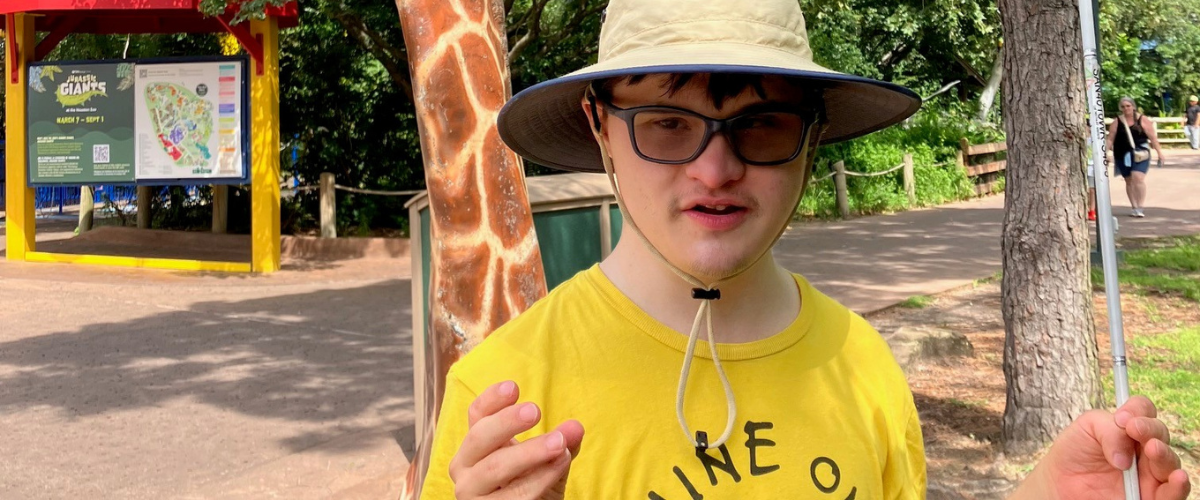
The Texas School for the Blind and Visually Impaired (TSBVI), in Austin, is a residential school for K–12 students and an education partner for Texas public schools. One of TSBVI’s regular programs is its annual Discovering the Future workshop, an educational weekend for (in TSBVI’s words) parents of children “in middle school or high school who will need long-term services and support in the community, and for whom traditional paths to college and career may not seem like the best fit.” Disability-services organizations and interested community members are also invited.
Our BridgingApps Program Director, Cristen Reat, recently attended Discovering the Future 2026 (March 6–8) in Round Rock, TX.
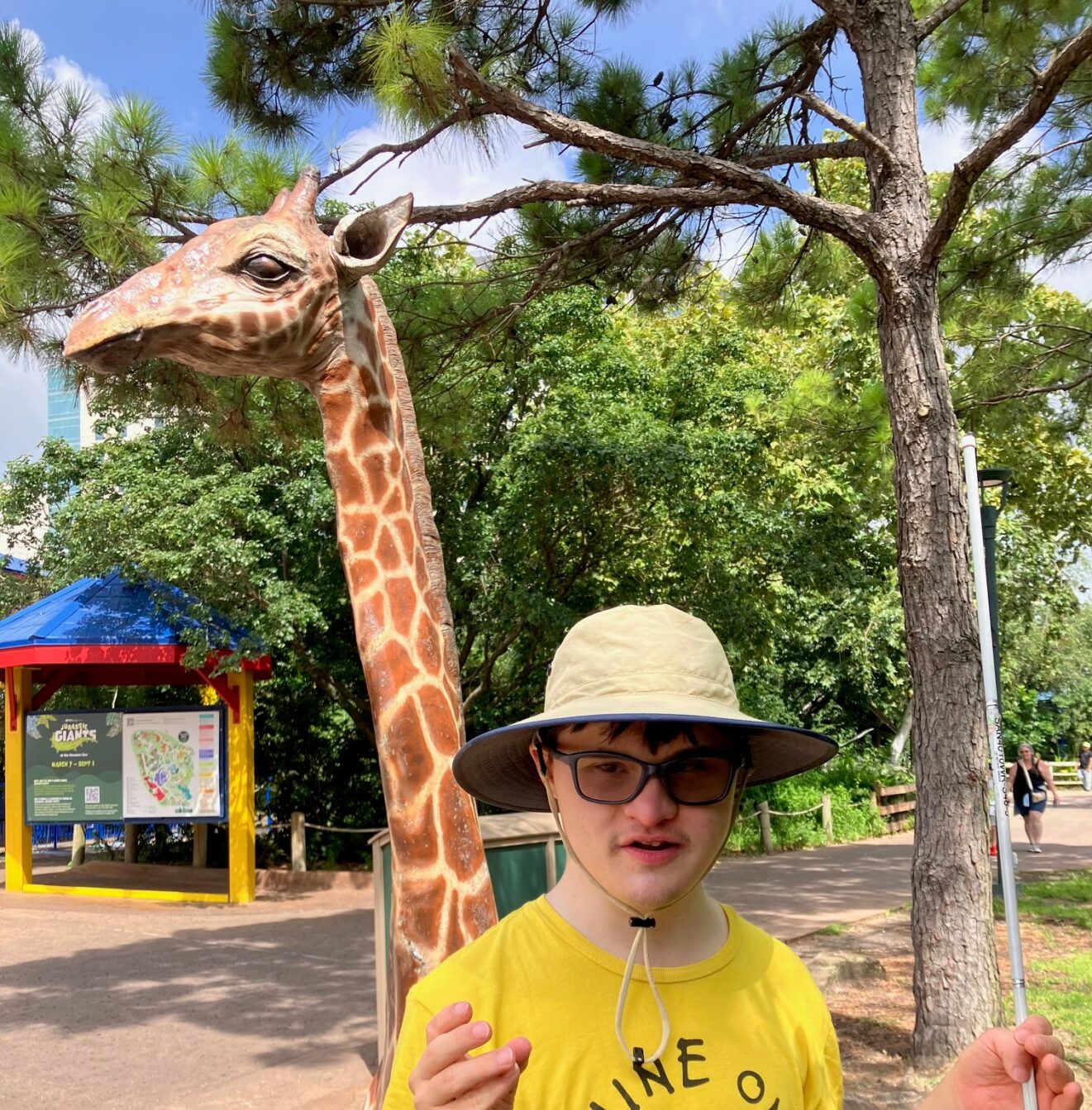
It’s Not Just About “Taking Care of Them”
“The event was hands-on and interactive, with participants including parents, caregivers, and grandparents of transition-aged students.” –Cristen
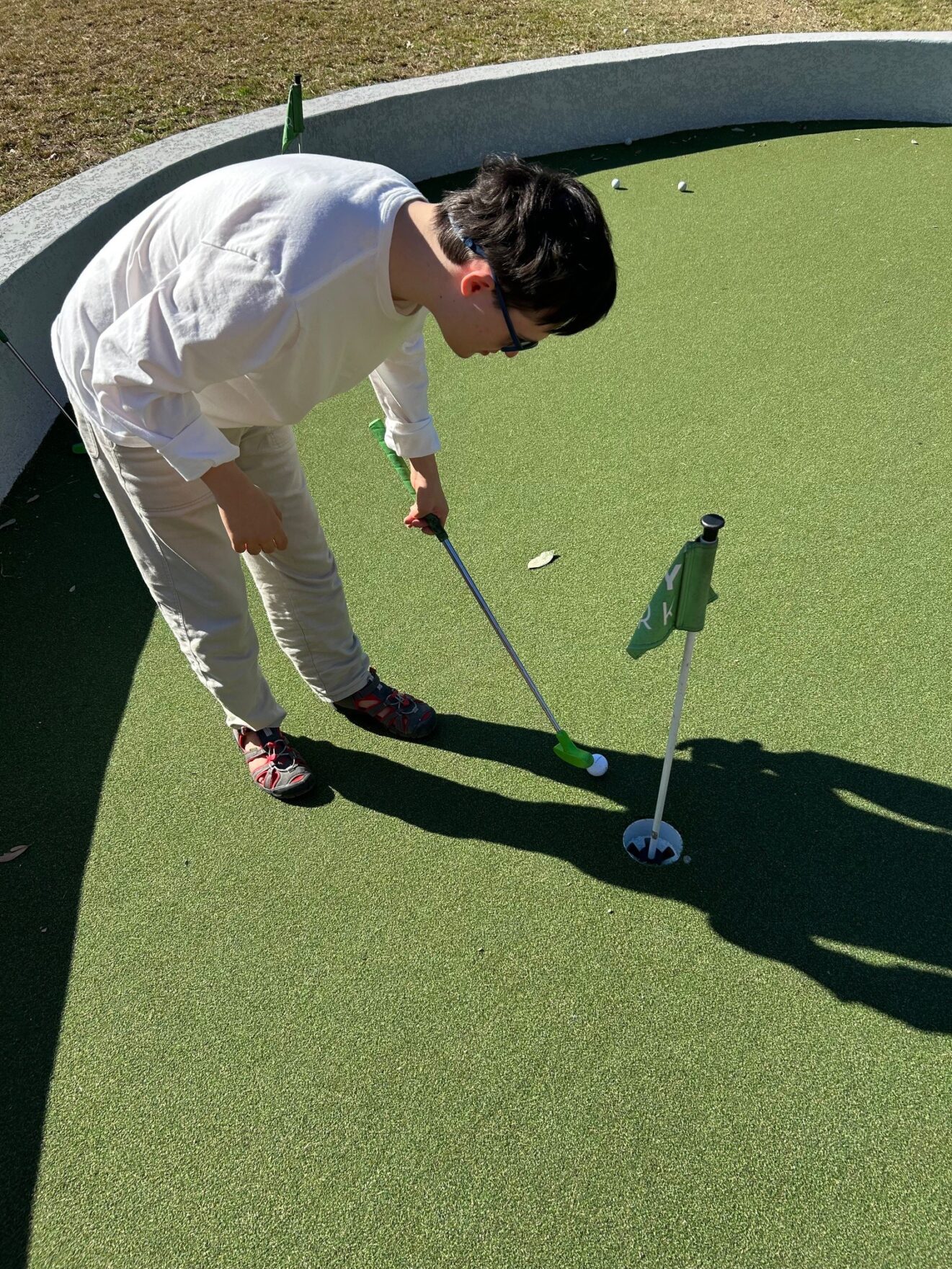
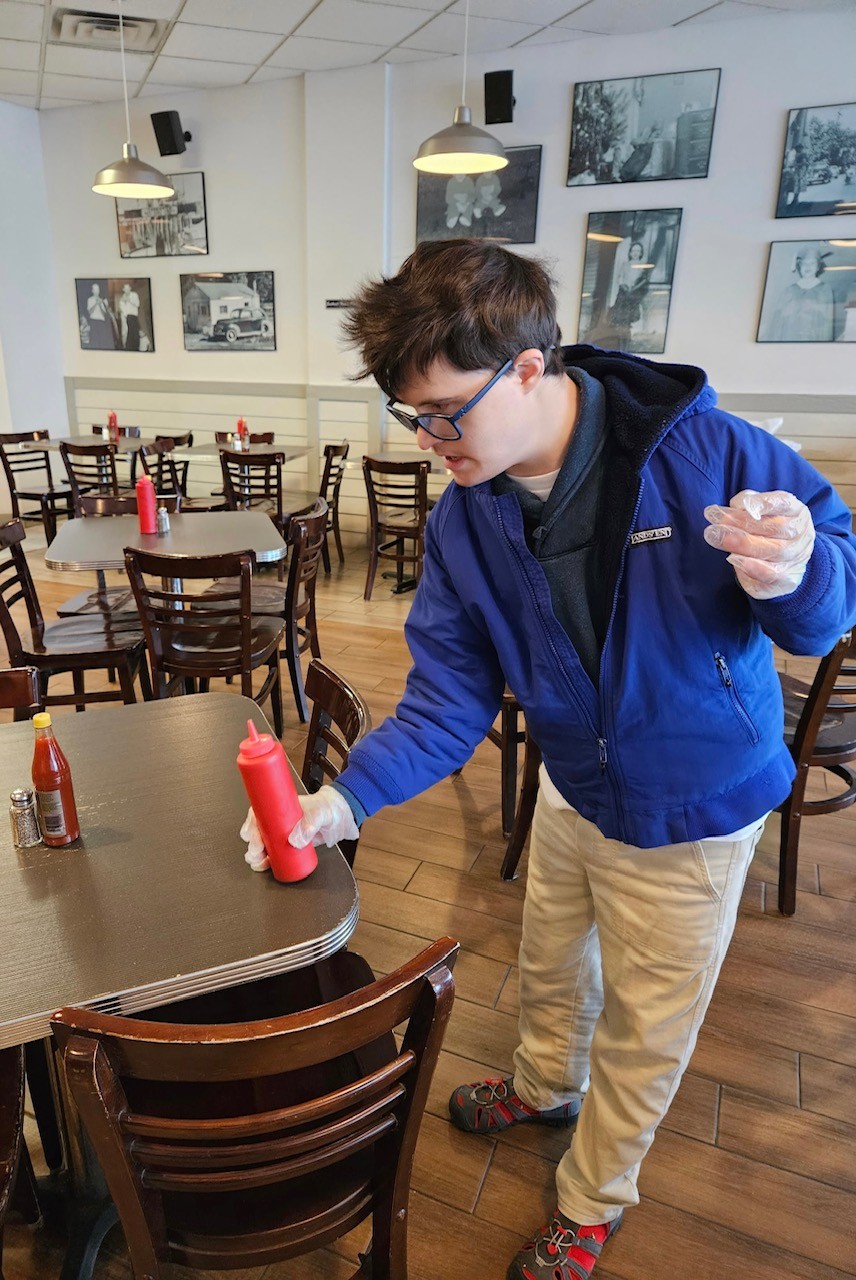
A couple of generations ago, many visually impaired people spent their lives in “institutions” that offered little more than basic physical care. Today, the focus has thankfully shifted to equal learning opportunities and to helping everyone, regardless of ability, become an active member of society. An important life stage is “transition to adulthood,” the period (roughly ages 16–22) when young adults practice essential skills for:
- Supporting themselves financially
- Making their own medical decisions
- Managing independent households
- Marriage/household partnerships
- Parenting their own children
- And (if they have disabilities that require ongoing support) applying for assistance, keeping records, and working with support networks
“At Discovering the Future, the focus was on making person-centered transition plans. Families were encouraged to share their own experiences, their favorite resources, and favorite activities to spur outside-the-box thinking. Time was spent helping parents learn how to find, and ask for, tools and resources to help make post-school life meaningful, productive, and sustainable for their young adult children.” –Cristen
Program topics included:
- What is transition planning?
- Developing a person-centered plan
- Setting up a personal support network
- Post-school living arrangements
- Agency services
- Community-organization connections
About TSBVI
In Texas, nearly 11,000 school-age kids have vision disabilities. And over 80 percent of these youngsters have at least one other disability. Such “co-occurring” impairments may include:
- Hearing loss (+ vision loss = “deafblindness”)
- Intellectual or developmental disabilities
- Autism
- Cerebral palsy, paralysis, or other movement disorders
TSBVI offers education with on-campus living for students ages 6 to 22. It also offers:
- Personalized team support for students’ families.
- Summer training (life skills, work skills, job placements) for elementary, secondary, and working-age students.
- A “Family Recharge Zone” social network for parents.
- Active partnerships with public-school districts, including collaboration on individual education plans.
- An Expanded Core Curriculum program of onsite learning opportunities (3–5 school days each) for students from other Texas schools.
- Abundant research on visual disabilities in young people, including infants and children below school age.
“Empowering Students to Pursue Possibilities.” –TSBVI slogan
TSBVI Contacts:
- Edgenie Bellah, Deafblind Family Engagement Coordinator (phone number: 512-206-9423)
- Maribeth Kobza Betton, Transition Coordinator
- Belinda Fayard, Outreach Assistant Director (phone number: 512-206-9278)
- Heather Lightfoot, Deafblind Transition Consultant (phone number: 512-262-9538)
- Yolanda Shaw, Family Engagement Coordinator (phone number: 512-206-9216)
Additional Resources: